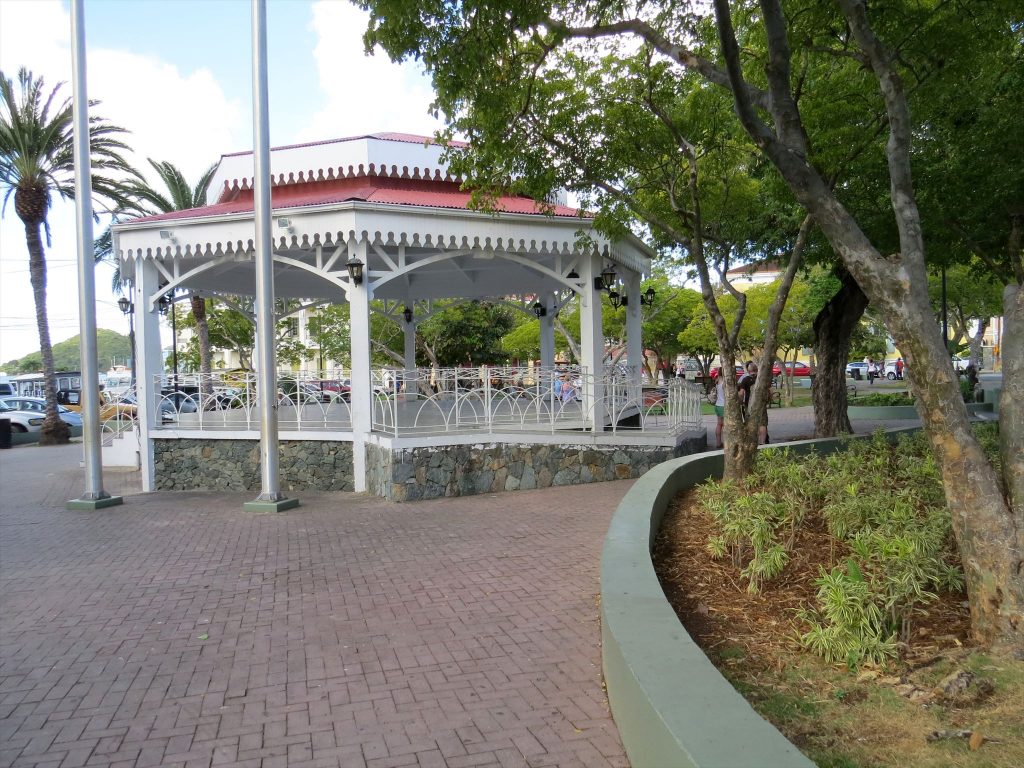
Emancipation Garden (Charlotte Amalie, St. Thomas) – for those passing through this part of the island’s capital, this garden, built to mark the 150th anniversary of the end of slavery in the Virgin Islands (1848), includes a bronze bust of a freed slave blowing a conch shell, as well as two reminders of the island’s […]
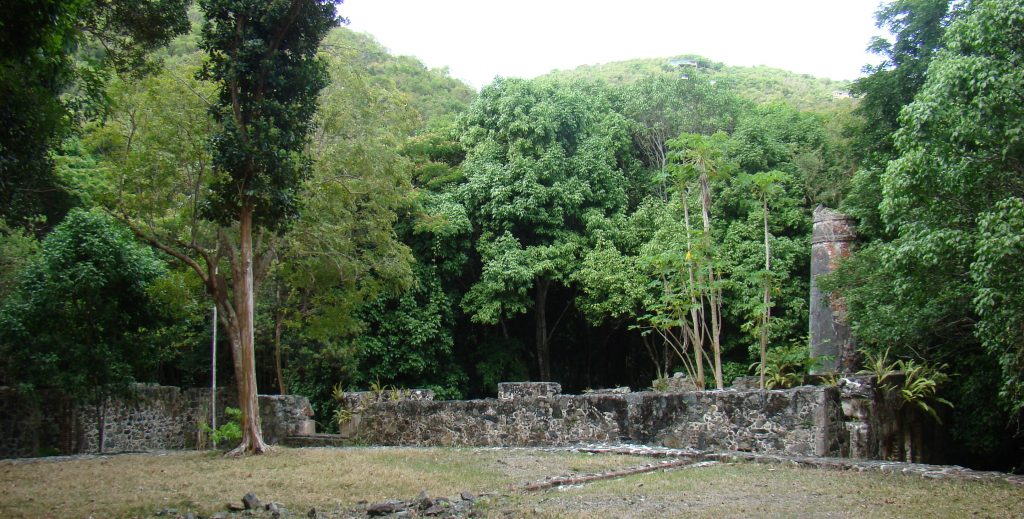
Cinnamon Bay Plantation Ruins (North Shore Road, Cinnamon Bay, St. John) — established by the Danes in 1717, Cinnamon Bay Plantation is one of the earliest sugar plantation settlements on St. John. In 1733 the owner of the plantation, Daniel Jensen, played a pivotal role in the slave rebellion which swept the island. The uprising […]
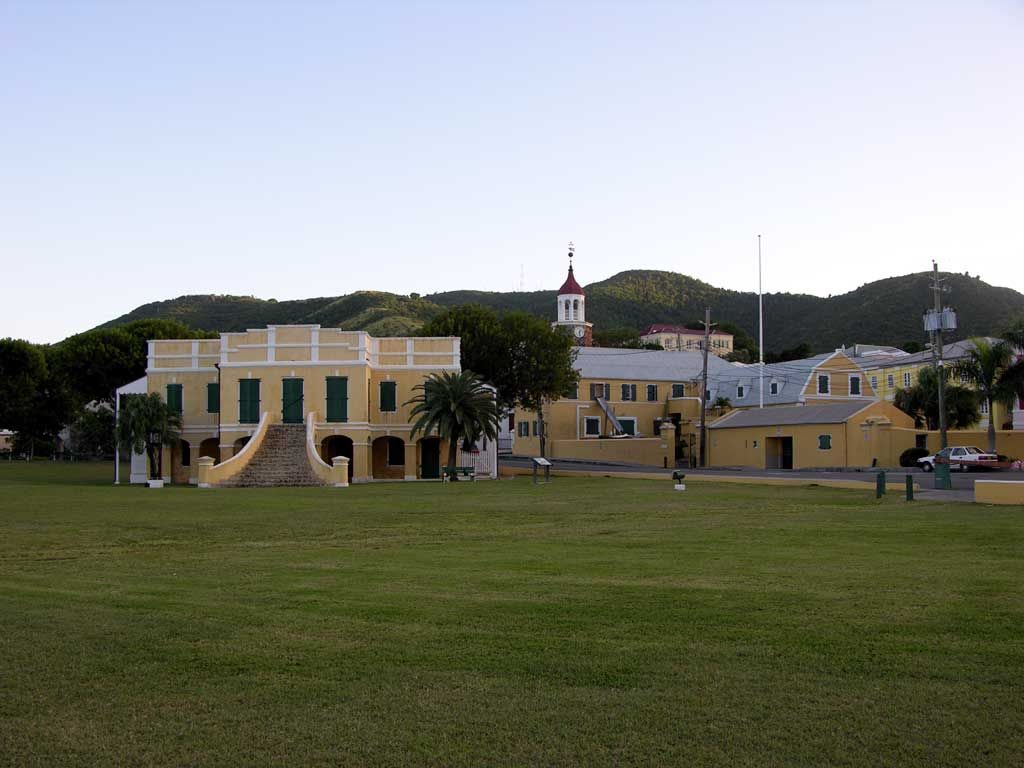
Christiansted National Historic Site (Christiansted, St. Croix 00820) – established in 1952 and managed by the National Park Services (NPS), there is no place in the Caribbean that demonstrates the architectural, economic, and political influence of Europe like Christiansted National Historic Site. Here, visitors can wander through 18th century buildings in one the Caribbean’s few […]

Caribbean Museum Center for the Arts (10 Strand Street & 62 King Street, Frederiksted, St. Croix) – housed within a historic Danish building at Frederiksted, this cultural center provides spacious exhibition galleries, visiting Artist in Residence apartments, working art studios and classrooms, a fully equipped pottery studio, a gift shop, as well as offices and […]
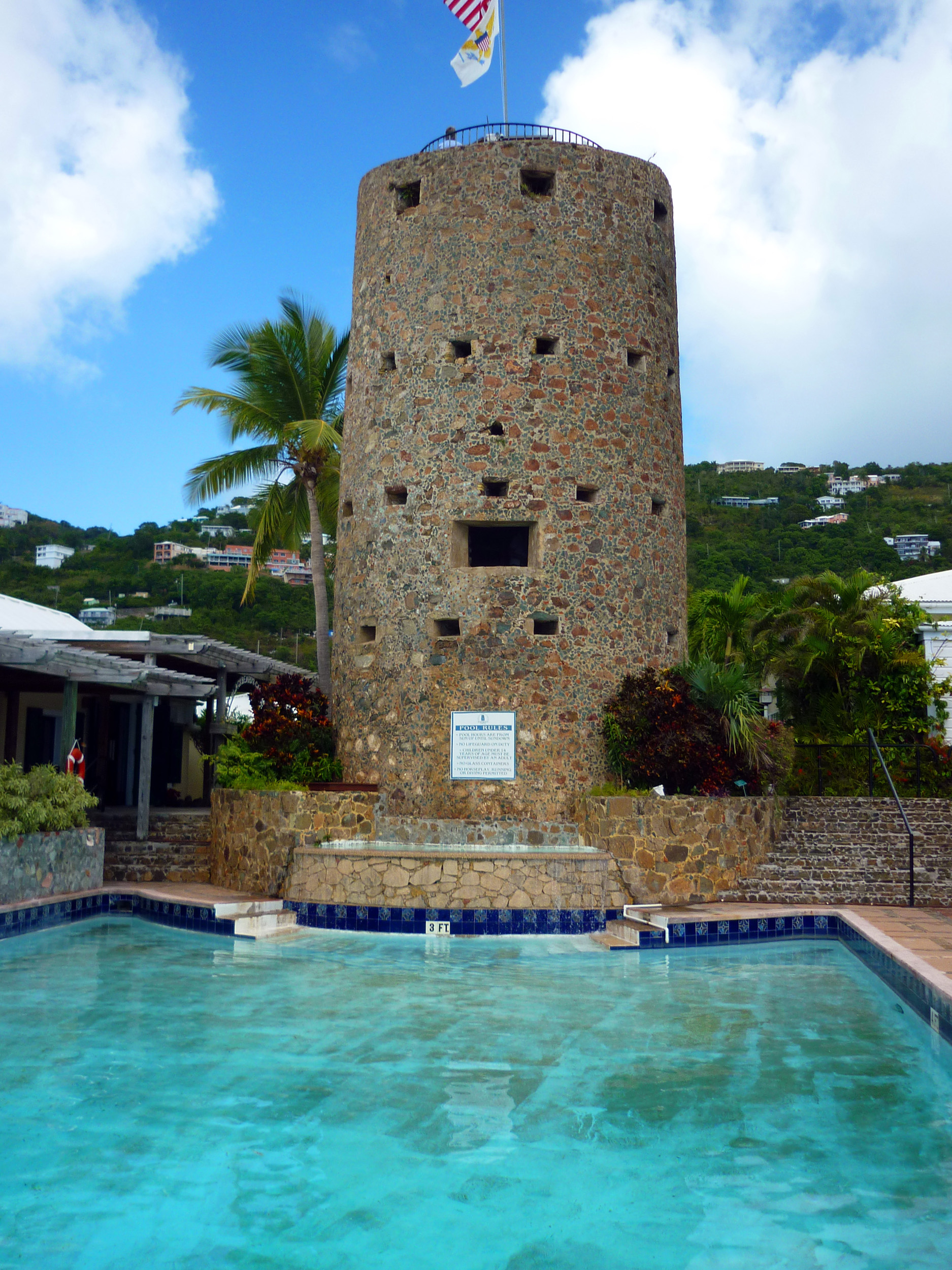
Blackbeard’s Castle (Lille Taarne Gade, Charlotte Amalie, St Thomas) – this “castle” (a.k.a. Skytsborg Tower) was actually built by the Danish around 1674-1680 as a watch tower for guarding the port of Charlotte Amalie – going back to the days when the Virgin Islands were a haven for pirates intent on raiding ships leaving the […]
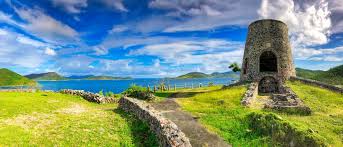
Annaberg Plantation (St. John) – this 18th century plantation was among those used by Danish colonizers to produce sugar, rum and molasses. Annaberg was named after plantation owner William Gottschalk’s daughter and translates to Anna’s Hill. Slave labor was used to clear densely forested hillsides and to terrace the slopes around Annaberg to make farming […]
- 1
- 2